
Hire a Salesforce
Salesforce Change Management Consultant
Find a Salesforce Change Management Consultant Who Makes Your Team Actually Use It
A skilled Salesforce Change Management Consultant ensures your Salesforce investment delivers its promised ROI by getting users to adopt, trust, and use the platform consistently. We place consultants who understand that configuration is the easy part — the hard part is changing how people work.
- Adoption strategy, training programme design, and stakeholder alignment
- Change impact assessment, communication plans, and post-launch enablement
- We screen for practical depth, not just certifications
- Contract, contract-to-hire, or full-time — your choice
- US and Canada talent. Shortlist in 5–10 business days.
Request Call Back
About CRM Force
Boutique means something different when the person who built the company has done the work.
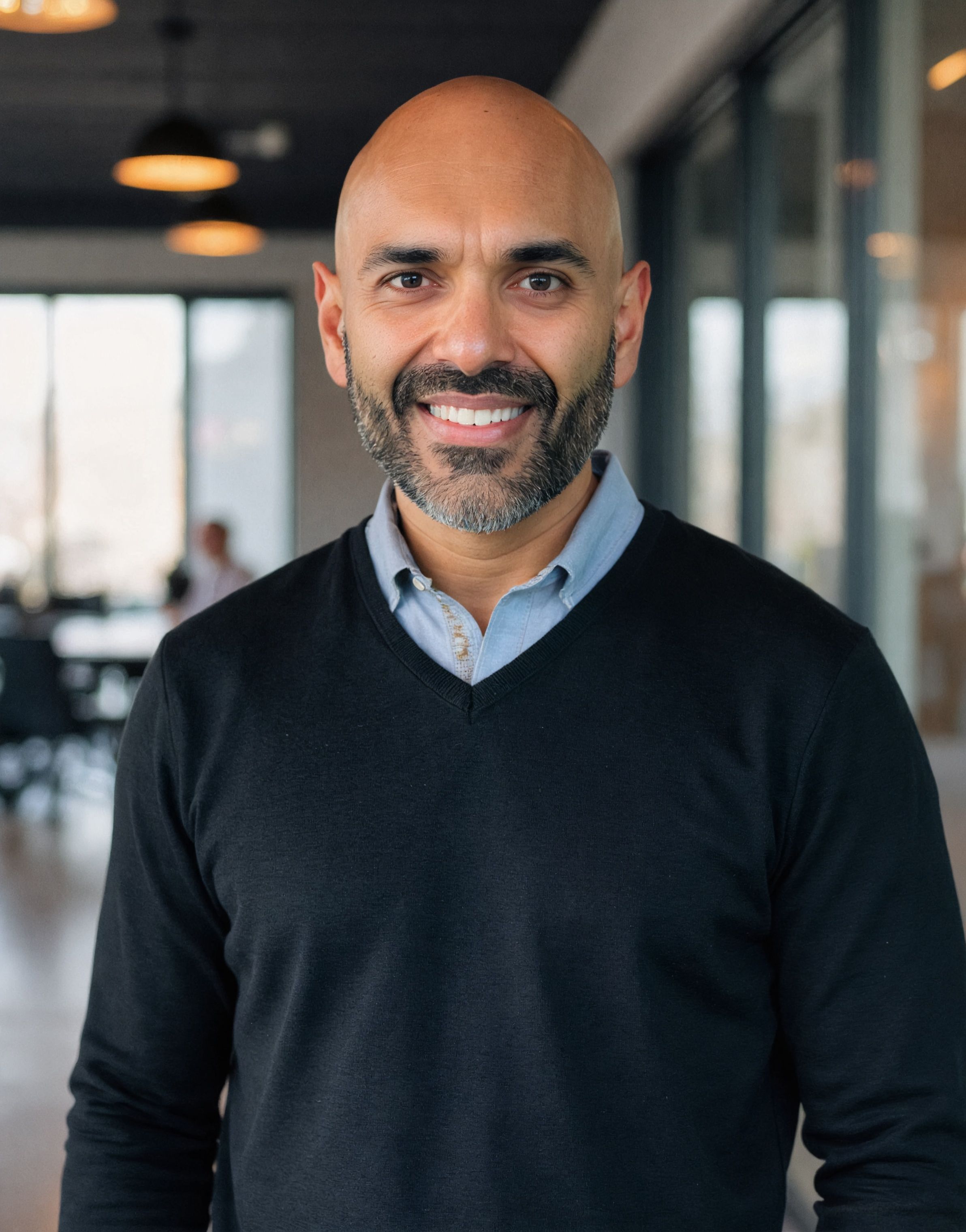
Saad Ahmed spent 20 years as a CRM consultant, solution architect, and implementation lead — building marketing automation and CRM systems for clients from start-ups to publicly traded enterprises. He founded CRM Force to bring practitioner-led vetting to a space dominated by generalist agencies.
Every candidate goes through a two-step internal qualification process — reviewed by two separate evaluators before they reach you. We confirm experience, certifications, technical depth, and fit. You receive a shortlist, not a resume dump.
CRM consultants, architects, developers, and admins. Marketing automation specialists. RevOps leaders, business analysts, and project managers. If it touches the CRM or marketing technology stack, we place it. Contract, contract-to-hire, and direct hire — across all seniority levels.
We Recruit for You
Three reasons companies choose us over a traditional recruiter — and what makes the difference in practice.
Vetted by Someone Who Has Done the Work
Saad Ahmed, founder of CRM Force, spent 20 years as a CRM Consultant and Solution Architect — building HubSpot implementations, designing data models, and running client engagements himself. When he reviews a candidate for your role, he is not reading a job description. He is evaluating whether someone can do work he has done himself. That distinction matters.
No Resume Dumps. A Shortlist You Can Act On.
You receive 3 to 5 pre-vetted candidates, each with our written assessment — why we believe they fit your role, where they are strong, and what to probe in the interview. Our internal process puts every candidate through two separate evaluation stages before they reach you. You only meet people who have cleared the bar.
Three Engagement Models. One Standard.
Contract for short and long-term engagements. Contract-to-hire when you want to try before you commit. Direct placement for permanent roles. Every model includes the same sourcing, multi-stage screening, skills assessment, and reference validation. The delivery vehicle changes — the standard does not.
Our Recruitment Process
Four steps from brief to shortlist — no surprises, no padding, no wasted interviews.
We Learn Your Requirements
A focused role briefing call — not a generic intake form. We ask about portal size, Hub configuration, seniority level, technical depth required, team structure, and what a genuinely great candidate looks like for your specific situation. The brief matters more than most clients expect.
We Search Our Network
We work our pre-built database of CRM and HubSpot professionals alongside targeted outreach to passive candidates who are not actively applying. The majority of the people we present are not on job boards — they are available to the right opportunity, if the right person asks.
You Receive a Shortlist
Typically 3 to 5 pre-vetted candidates, each with our written assessment — not just a resume. We tell you why we believe each person is right for your specific role, where they are strong, and what you should probe in the interview. You decide who moves forward.
We Support You to Offer
We coordinate interviews, facilitate debriefs, provide market-rate compensation benchmarks, and support you through the offer stage. The search does not end when we send the shortlist — it ends when you have the right person in the role.
Need a Salesforce Change Management Consultant Fast?
We place CRM and Marketing Automation professionals across the US and Canada.
Industries We Serve
Salesforce change management applies across every industry. We place consultants with experience in: We work with organizations of all sizes — from growth-stage startups to publicly traded enterprises — across all major industries.
Not sure what you need? We can help you define the role.
One conversation is usually enough. No commitment required.
When You Need a Salesforce Change Management Consultant
A few things we hear from clients before they reach out.
- Your Salesforce implementation went live but adoption is low — users are still working in spreadsheets or the old system
- You are rolling out a major Salesforce change and need a structured programme to bring users along before go-live
- Your sales or service team is resistant to Salesforce and you need a change strategy to address the specific concerns
- You need training programmes designed and delivered for different user personas — not generic platform walkthroughs
- You are merging two Salesforce orgs or migrating users to a new process and need a managed change programme
How We Vet Salesforce Change Management Consultants
Change management is as much about people and communication as it is about Salesforce. We assess:
Red Flags to Watch For
- No structured change methodology — relies on informal communication and hope as an adoption strategy
- Cannot design role-based training — delivers the same generic Salesforce walkthrough to every user group
- No adoption metrics framework — cannot measure whether adoption is succeeding or identify where it is failing
- No experience with executive stakeholder alignment — only works with end users, not programme sponsors
Whatever your sector, we know CRM talent.
Tell us about the role and we will get back to you within one business day.
What a Salesforce Change Management Consultant Focuses On
From stakeholder alignment to post-launch adoption, here is where Change Management Consultants spend their time:
Stakeholder Analysis & Alignment
Map stakeholders by role, influence, and change readiness — then design targeted engagement for executives, managers, and end users.
Communication Planning
Build and execute structured communication plans with the right message, channel, and timing for each stakeholder group.
Role-Based Training Design
Design and deliver Salesforce training tailored to each user persona — not generic platform walkthroughs, but real workflow instruction.
Resistance Management
Identify and address resistance early — with targeted interventions for the specific concerns raised by each stakeholder group.
Adoption Measurement
Define adoption KPIs, monitor login rates and feature utilization, and use data to intervene before adoption problems compound.
Post-Launch Enablement
Sustain adoption after go-live with office hours, super-user programmes, refresher training, and ongoing engagement.
Change Management Across Salesforce Rollouts
Change management consultants deliver adoption programmes for new implementations, re-implementations, and cloud expansions.
New Salesforce Implementations
Organizations deploying Salesforce for the first time and needing a managed change programme from discovery to post-launch.
- Change readiness assessment
- Role-based training design and delivery
- Go-live communication and support
- 60-day adoption tracking programme
Re-implementations & Upgrades
Companies migrating from an old Salesforce design or legacy CRM and managing the transition for existing users.
- As-is vs. to-be process change mapping
- Legacy user resistance management
- Feature sunset and transition training
- Adoption recovery programmes
Cloud Expansions
Organizations adding new Salesforce clouds and needing managed rollouts for new user groups and processes.
- New cloud user persona mapping
- Cross-team impact assessment
- Phased rollout communication
- New feature adoption tracking
Merger & Org Consolidation
Companies merging Salesforce orgs or standardizing processes across acquired entities.
- Multi-entity change impact assessment
- Cultural alignment and resistance management
- Unified process training across entities
- Post-merger adoption measurement
Frequently Asked Questions
- Why do Salesforce implementations fail even when the technology works?
- Most Salesforce failures are adoption failures — the platform is configured correctly but users don't trust it, don't use it consistently, or revert to their old tools. This happens when the implementation focuses entirely on technology and neglects the human change required. Change management addresses the people side of the implementation.
- When should change management begin in a Salesforce implementation?
- At kickoff — not at go-live. Effective change management starts with stakeholder analysis and communication planning in the discovery phase, runs through training design and development during build, and continues with post-launch enablement for 60 to 90 days after go-live.
- What is the ADKAR model and how does it apply to Salesforce?
- ADKAR (Awareness, Desire, Knowledge, Ability, Reinforcement) is a structured change model that tracks individual adoption. Applied to Salesforce, it means: users need to understand why the change is happening, want to participate, know how to use the system, be able to apply it in their workflows, and have ongoing reinforcement to sustain the change.
- How do you measure Salesforce adoption?
- Key adoption metrics include: login frequency by role and team, feature utilization rates (which fields are being populated, which processes are being followed), data completeness and quality scores, and business outcomes (pipeline visibility, case resolution time). A Change Management Consultant defines these metrics at the start and monitors them through post-launch.
Tell Us What You’re Looking For
Share the role, your timeline, and any must-haves. No commitment required.