
Hire an AI
Data Scientist
Find a Data Scientist who turns raw data into decisions, predictions, and competitive advantage.
Data Scientists combine statistical rigor, programming depth, and business acumen to extract insight and build predictive models. The best ones do not just analyze — they frame the right question, build a model, and communicate findings in a way that actually changes how the business operates.
- Data Scientists with production ML experience, not just research backgrounds
- Candidates screened for statistical depth and business impact, not just Python skills
- We screen for practical depth, not just certifications
- Contract, contract-to-hire, or full-time — your choice
- US and Canada talent. Shortlist in 5–10 business days.
Request Call Back
About CRM Force
Boutique means something different when the person who built the company has done the work.
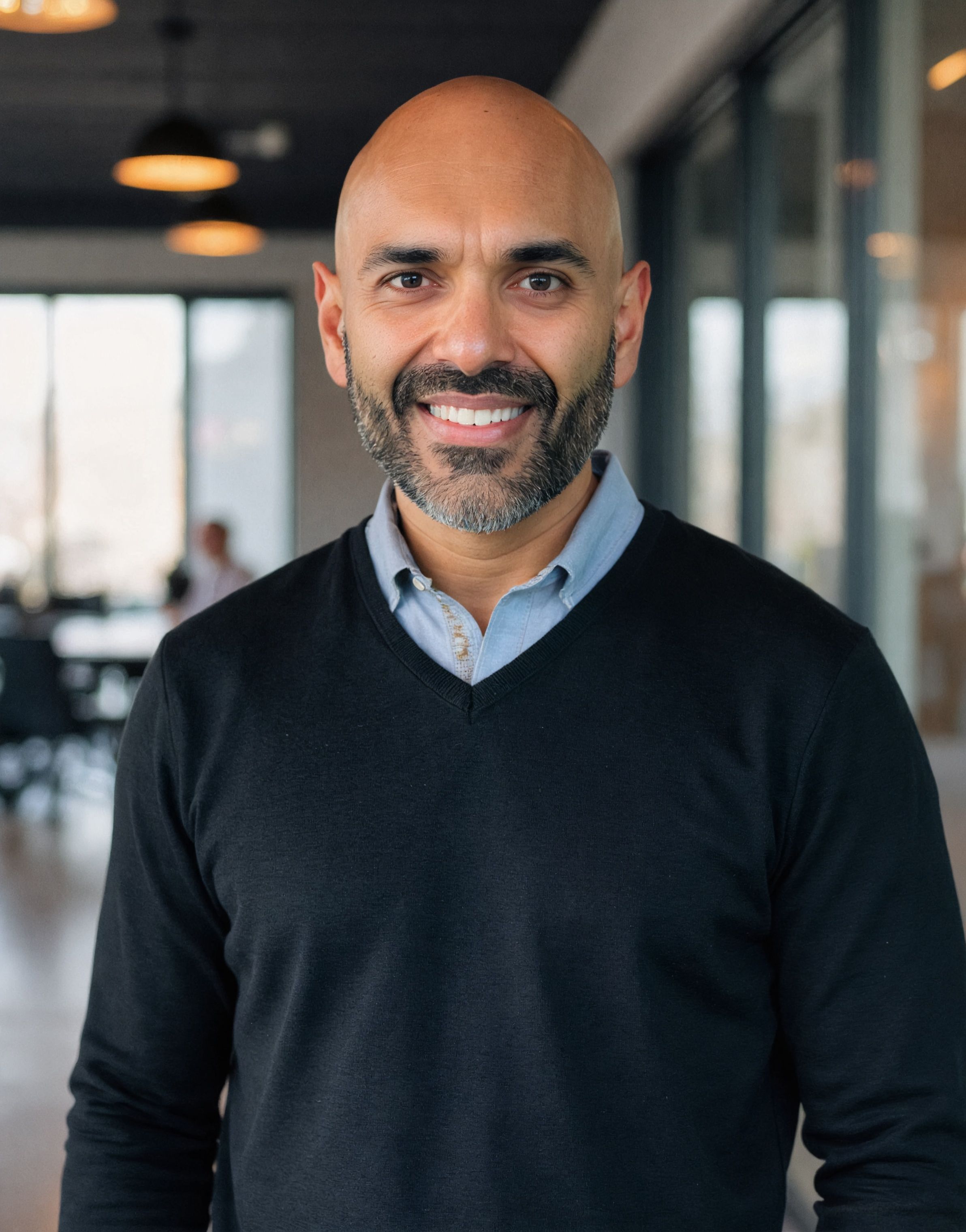
Saad Ahmed spent 20 years as a CRM consultant, solution architect, and implementation lead — building marketing automation and CRM systems for clients from start-ups to publicly traded enterprises. He founded CRM Force to bring practitioner-led vetting to a space dominated by generalist agencies.
Every candidate goes through a two-step internal qualification process — reviewed by two separate evaluators before they reach you. We confirm experience, certifications, technical depth, and fit. You receive a shortlist, not a resume dump.
CRM consultants, architects, developers, and admins. Marketing automation specialists. RevOps leaders, business analysts, and project managers. If it touches the CRM or marketing technology stack, we place it. Contract, contract-to-hire, and direct hire — across all seniority levels.
We Recruit for You
Three reasons companies choose us over a traditional recruiter — and what makes the difference in practice.
Vetted by Someone Who Has Done the Work
Saad Ahmed, founder of CRM Force, spent 20 years as a CRM Consultant and Solution Architect — building HubSpot implementations, designing data models, and running client engagements himself. When he reviews a candidate for your role, he is not reading a job description. He is evaluating whether someone can do work he has done himself. That distinction matters.
No Resume Dumps. A Shortlist You Can Act On.
You receive 3 to 5 pre-vetted candidates, each with our written assessment — why we believe they fit your role, where they are strong, and what to probe in the interview. Our internal process puts every candidate through two separate evaluation stages before they reach you. You only meet people who have cleared the bar.
Three Engagement Models. One Standard.
Contract for short and long-term engagements. Contract-to-hire when you want to try before you commit. Direct placement for permanent roles. Every model includes the same sourcing, multi-stage screening, skills assessment, and reference validation. The delivery vehicle changes — the standard does not.
Our Recruitment Process
Four steps from brief to shortlist — no surprises, no padding, no wasted interviews.
We Learn Your Requirements
A focused role briefing call — not a generic intake form. We ask about portal size, Hub configuration, seniority level, technical depth required, team structure, and what a genuinely great candidate looks like for your specific situation. The brief matters more than most clients expect.
We Search Our Network
We work our pre-built database of CRM and HubSpot professionals alongside targeted outreach to passive candidates who are not actively applying. The majority of the people we present are not on job boards — they are available to the right opportunity, if the right person asks.
You Receive a Shortlist
Typically 3 to 5 pre-vetted candidates, each with our written assessment — not just a resume. We tell you why we believe each person is right for your specific role, where they are strong, and what you should probe in the interview. You decide who moves forward.
We Support You to Offer
We coordinate interviews, facilitate debriefs, provide market-rate compensation benchmarks, and support you through the offer stage. The search does not end when we send the shortlist — it ends when you have the right person in the role.
Looking for a Data Scientist?
We place CRM and Marketing Automation professionals across the US and Canada.
Industries We Serve
Data Scientists are in high demand wherever large volumes of data can be used to improve decisions, products, or operations. We work with organizations of all sizes — from growth-stage startups to publicly traded enterprises — across all major industries.
Not sure what you need? We can help you define the role.
One conversation is usually enough. No commitment required.
Signs You Need a Data Scientist
A few things we hear from clients before they reach out.
- You have large amounts of data but are not extracting meaningful predictions from it
- You need a customer churn, lifetime value, or demand forecasting model built
- Business teams are making decisions on gut feel when data could inform them
- Your analytics is descriptive — you need it to become predictive
- You need statistical rigor applied to A/B testing and business experimentation
What to Look For in a Data Scientist
Strong Data Scientists combine statistical credibility with the communication skills to make it matter to the business.
Red Flags to Watch For
- Only knows how to call sklearn functions without understanding what is happening statistically
- Cannot explain the difference between correlation and causation with a business example
- Has no experience presenting findings to business stakeholders
- Builds models without defining how success will be measured in production
Whatever your sector, we know CRM talent.
Tell us about the role and we will get back to you within one business day.
What a Data Scientist Does
Data Scientists take complex data and turn it into something that makes the business smarter.
Exploratory Analysis
Investigates datasets to understand patterns, anomalies, and hypotheses before any model is built.
Predictive Modeling
Builds and evaluates ML models for classification, regression, ranking, clustering, and time-series problems.
Experimentation
Designs and analyzes A/B tests with statistical rigor — from power calculations to interpreting results.
Business Intelligence
Translates model outputs and analytical findings into actionable recommendations for business stakeholders.
Feature Engineering
Extracts predictive signals from raw data through domain-informed transformations and feature creation.
Reporting & Insight
Builds dashboards and reports that surface the right metrics and anomalies to the right decision-makers.
Data Science Specializations
Data Scientists specialize across different problem types. Here is what we see most often.
Customer Analytics
Understanding customer behaviour to drive retention and growth.
- Churn prediction
- LTV modeling
- Segmentation
- Propensity to buy
Product Analytics
Making product decisions with data-driven rigour.
- Funnel analysis
- Feature impact modeling
- Retention analysis
- Recommendation models
Operational Analytics
Optimizing business operations through data.
- Demand forecasting
- Supply chain optimization
- Fraud detection
- Quality control models
Financial Analytics
Data-driven models for financial planning and risk.
- Revenue forecasting
- Risk scoring
- Pricing models
- Anomaly detection
Frequently Asked Questions
- What is the difference between a Data Scientist and a Data Analyst?
- Data Analysts focus on describing what happened in the past using reports, dashboards, and BI tools. Data Scientists go further — they build predictive models, run statistical experiments, and create systems that forecast what will happen next or recommend actions.
- What is the difference between a Data Scientist and a Machine Learning Engineer?
- Data Scientists tend to be more research and analysis oriented — exploring data, building models, and communicating insights. ML Engineers are more engineering oriented — taking those models and making them production-ready with pipelines, monitoring, and APIs.
- How long does it take to hire a Data Scientist?
- CRM Force typically delivers a shortlist within 5 to 10 business days. Senior Data Scientists and those with rare domain expertise (e.g. health data, financial risk) may take slightly longer.
- Do you place Data Scientists on contract or full-time?
- Both. Project-based work (e.g. building a specific model or running an analytics audit) suits contract placements. Ongoing analytics and modeling functions are typically full-time.
Tell Us What You’re Looking For
Share the role, your timeline, and any must-haves. No commitment required.